
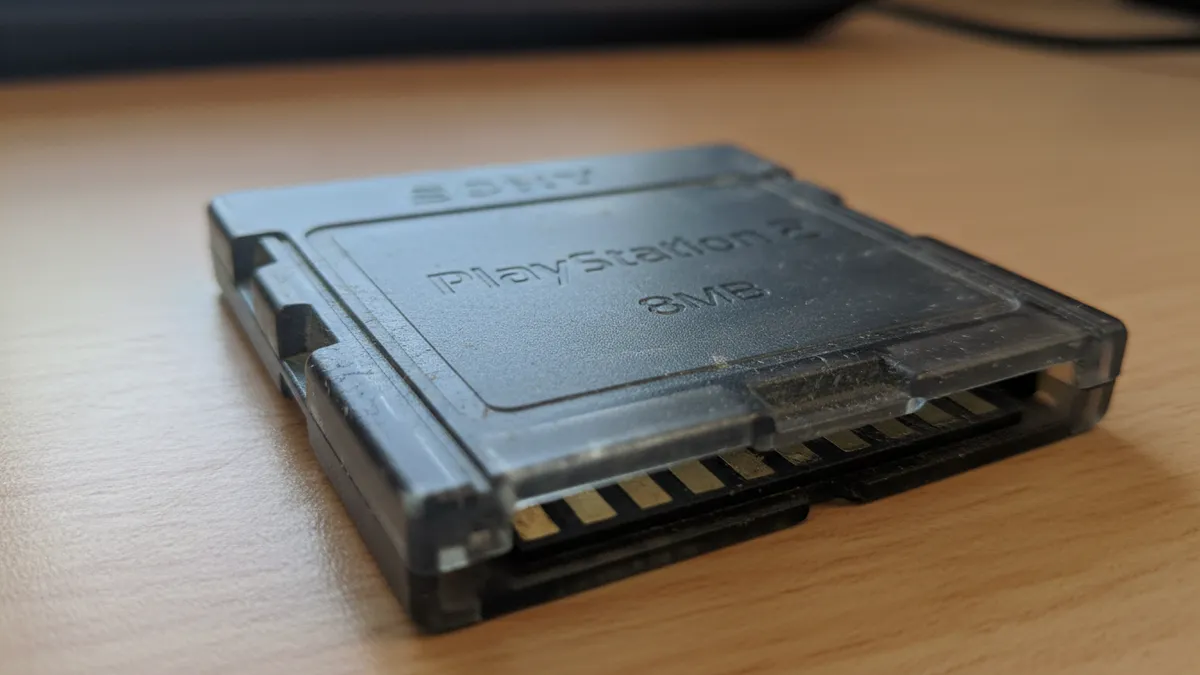
How to Turn Your Selfie Into a Viral AI PS2 Retro Game Character in 2026: The Complete Guide
I was wrong about the AI PS2 filter.
I used to think it was just another disposable TikTok trend. A cheap trick. A fleeting hit of dopamine. But when I finally stopped scrolling and actually analyzed how these low-poly algorithms were deconstructing modern, hyper-realistic faces into jagged, pixelated polygons that perfectly mirrored the exact emotional resonance of a 2001 memory card save file, I realized we weren't just playing with filters anymore—we were hacking our own nostalgia.
It is brilliant. It is calculated.
Turning your selfie into a retro video game selfie in 2026 isn't a joke. It is a masterclass in digital aesthetics. It is how you command attention on a grid that has become entirely too polished.
The Anatomy of a Retro Video Game Selfie
My understanding evolved when I stopped looking at the image and started looking at the geometry. It is all about selective reduction.
Look at the jawline. It is sharp. Unforgiving. The eyes are blocky. The textures are compressed. Because early 3D rendering engines couldn't handle smooth curves, they forced character designers to make aggressive, structural decisions about human anatomy, distilling a person's entire vibe into fewer than five hundred polygons just to keep the frame rate stable.
It works. It captivates.
When you use a PS2 graphics AI, you are not degrading a photo. You are translating it. You are finding the core mathematical anchor points of your face. You are stripping away the superfluous data. The algorithm identifies what makes you recognizable and discards the rest, leaving behind an avatar that feels more authentic than the original high-definition photograph.
Why Discord and Midjourney Are Dead Ends
My next realization was about the friction of creation. Friction kills virality. Complex prompts fail. Discord servers are chaotic.
You do not need a PhD in prompt engineering to participate in the TikTok PS2 trend. You need a mirror.
By forcing users to type endless strings of aspect ratios, rendering engine names, and lighting parameters just to turn a photo into a retro game character, legacy AI platforms completely missed the fundamental truth that social media users want immediate, frictionless transformation that feels like magic rather than a coding exam.
PixViva understands this. PixViva removes the barrier. PixViva does not guess. PixViva calculates.
The PixViva Protocol: Turn Photo Into Retro Game
The process is clinical. It is precise. It is devastatingly effective.
First, you upload the base asset. Lighting is data. Shadows are geometry. The engine needs contrast. When you feed the algorithm a flatly lit, perfectly smoothed modern selfie, it struggles to find the structural anchor points required to build the 3D mesh, resulting in a muddy, indistinct blob that looks less like a nostalgic hero and more like a rendering error.
Give it harsh light. Give it angles.
Second, the low poly portrait AI takes over. It maps the contrast. It builds the polygons. It applies the compressed texture map. It bypasses the noise and delivers the exact aesthetic you remember from your childhood CRT television.
The Mathematics of Low Poly Portrait AI
This is where the stakes get higher. We are moving beyond simple aesthetics into algorithmic identity mapping.
The AI does not just see your face. It sees a topographical map. It calculates depth.
Every pixel is assigned a weight. Every shadow dictates a vertex. It is a brutalist approach to digital portraiture. By stripping away the high-definition pores, the stray hairs, and the micro-expressions that modern smartphone cameras capture with terrifying clarity, the algorithm forces your digital identity to rely entirely on its most dominant, unignorable structural features.
You become iconic. You become recognizable from a distance.
The Cultural Currency of PS2 Graphics AI
As I dug deeper, the true importance of this trend snapped into focus. Why do we crave the year 2001? Why now?
We are drowning in high definition. Every pore is visible. Every flaw is magnified. Every selfie is a high-stakes performance of hyper-reality.
Hyper-realism is exhausting. Pores are boring. Perfection is a trap. By intentionally downgrading our high-definition reality into the blocky, compressed, beautifully flawed aesthetic of a forgotten era, we strip away the anxieties of modern social media and replace them with the pure, unadulterated joy of being a playable character in our own lives.
We reclaim control. We rewrite the rules of engagement.
The TikTok PS2 trend is not about looking backward. It is about escaping the present.
Hacking the Trend for Maximum Impact
Virality is a formula. Contrast is king. You must show the before. You must slam into the after.
Start with the most overwhelmingly modern, high-definition, ring-lit video you have. Let the viewer register the modern reality. Then, exactly on the beat drop of whatever early-2000s electronic track is currently dominating the algorithm, trigger the hard cut to the PixViva generation, letting the jagged edges and compressed textures shock the viewer's optical nerves into immediate engagement.
Do not transition smoothly. Make it hurt.
The Final Boss: Your Digital Identity in 2026
I used to think this was just about looking like a video game character. I was wrong again.
It is bigger. It is a digital rebellion.
It is a calculated rejection of the 4K, ultra-processed, AI-upscaled reality we are forced to inhabit every time we unlock our screens. When you turn your selfie into a viral AI PS2 retro game character, you are not just participating in a trend; you are taking ownership of your digital avatar, stripping away the noise of the modern internet, and cementing yourself as the main character of a world that makes sense again.
The tools are here. The aesthetic is undeniable.
Go to PixViva. Generate your low-poly truth. Own the grid.
Ready to see yourself in a new light?