
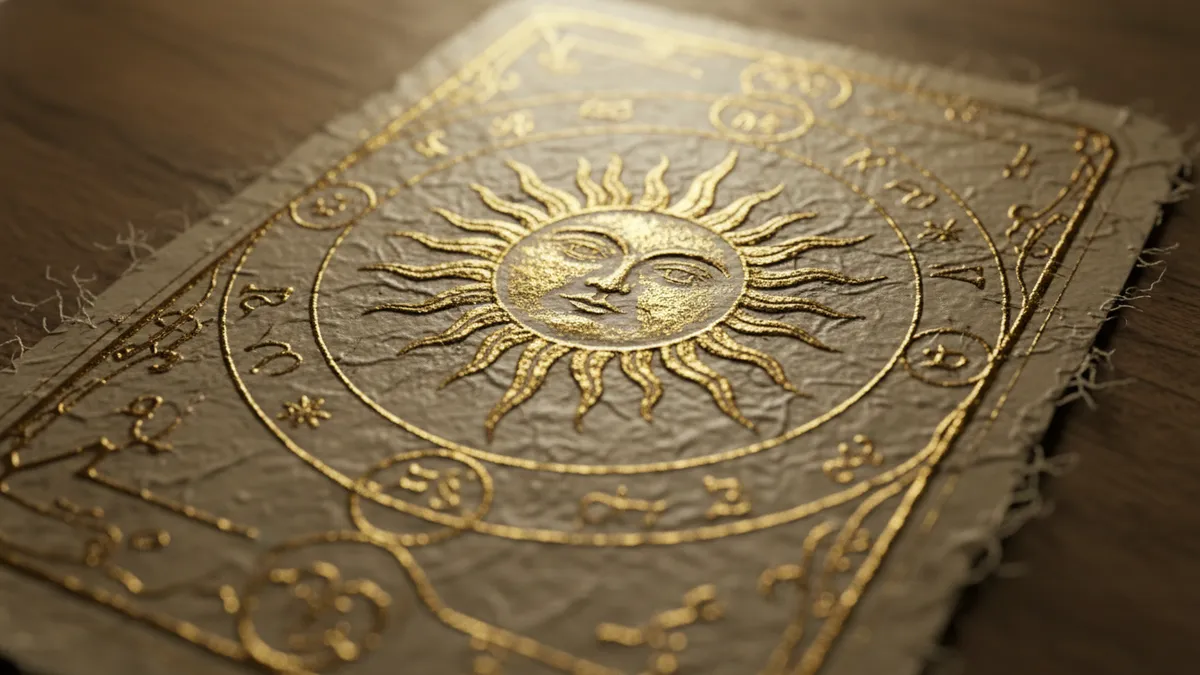
How to Turn Your Selfie Into a Viral AI Tarot Card Portrait in 2026: The Mystical Aesthetic Guide
You look at your profile picture, that tiny, compressed circle representing your entire existence to the digital world, and you realize it feels entirely flat, completely devoid of the energy you actually carry, risking your complete disappearance into the endless, uninspired void of the feed. In 2026, settling for a basic, unedited selfie is a profound disservice to your aura, a massive missed opportunity to connect with the visually hungry, deeply engaged communities of WitchTok and modern spirituality, where aesthetics are not just filters, but digital altars. If you do not claim your visual identity, if you refuse to elevate your presence, someone else's noise will easily drown out your signal, leaving you behind as the digital landscape shifts toward high-art personal branding. This is exactly why learning how to turn your photo into a tarot card is no longer just a fun, fleeting trend, but a necessary, powerful evolution of how you present yourself to the universe.
We are going to walk through this transformation together, moving patiently, step by step, ensuring you understand exactly how to use an AI tarot card generator to craft a mystical AI portrait that commands attention, radiates power, and perfectly casts you as a legendary Major Arcana figure. There is no need to rush, no need to blindly apply random effects, because true digital alchemy requires intention, a steady hand, and a clear vision of the archetype you wish to embody. By the time we finish, you will possess the exact knowledge needed to navigate PixViva, turning a simple photograph into a golden-hued, ornate masterpiece that stops people mid-scroll.
The High Stakes of the Mystical Aesthetic
The internet is moving faster than ever, trends are flashing and fading in mere hours, and the massive risk of investing your time into a fleeting aesthetic is that you are left looking incredibly dated by tomorrow afternoon, your content buried beneath the next big wave. But the tarot card aesthetic TikTok has embraced is fundamentally different, deeply rooted in centuries of rich, archetypal imagery, offering a timeless visual language that instantly, effortlessly communicates depth, mystery, and divine alignment to anyone who sees it. When you use a custom tarot card maker, you are not just applying a cheap, disposable overlay, you are commissioning a piece of digital art, stacking layers of meaning and golden-hued beauty until your image transcends the mundane.
Let us break down exactly why this specific visual style holds so much power, examining the elements that make it practically immune to the fast-paced decay of normal social media trends.
- The Timelessness of the Archetype: We recognize these ancient symbols instantly, feeling their heavy, spiritual weight before we even read the text, allowing your image to bypass the logical brain and speak directly to the viewer's subconscious.
- The Demand for Visual Opulence: Audiences are currently craving rich, ornate, highly detailed imagery, completely exhausted by the minimalist, sterile feeds of the past, demanding art that forces them to stop scrolling, zoom in, and truly look at the golden details.
- The Power of Personal Mythology: Casting yourself as a mystical figure invites your audience to see you not just as a normal person, but as a living concept, a specific mood, a guiding energy that they want to align themselves with.
- The Community Connection: Tapping into this style acts as an immediate, visual handshake with the massive WitchTok and spiritual communities, silently signaling that you understand their language, their values, and their aesthetic.
Choosing Your Major Arcana Identity
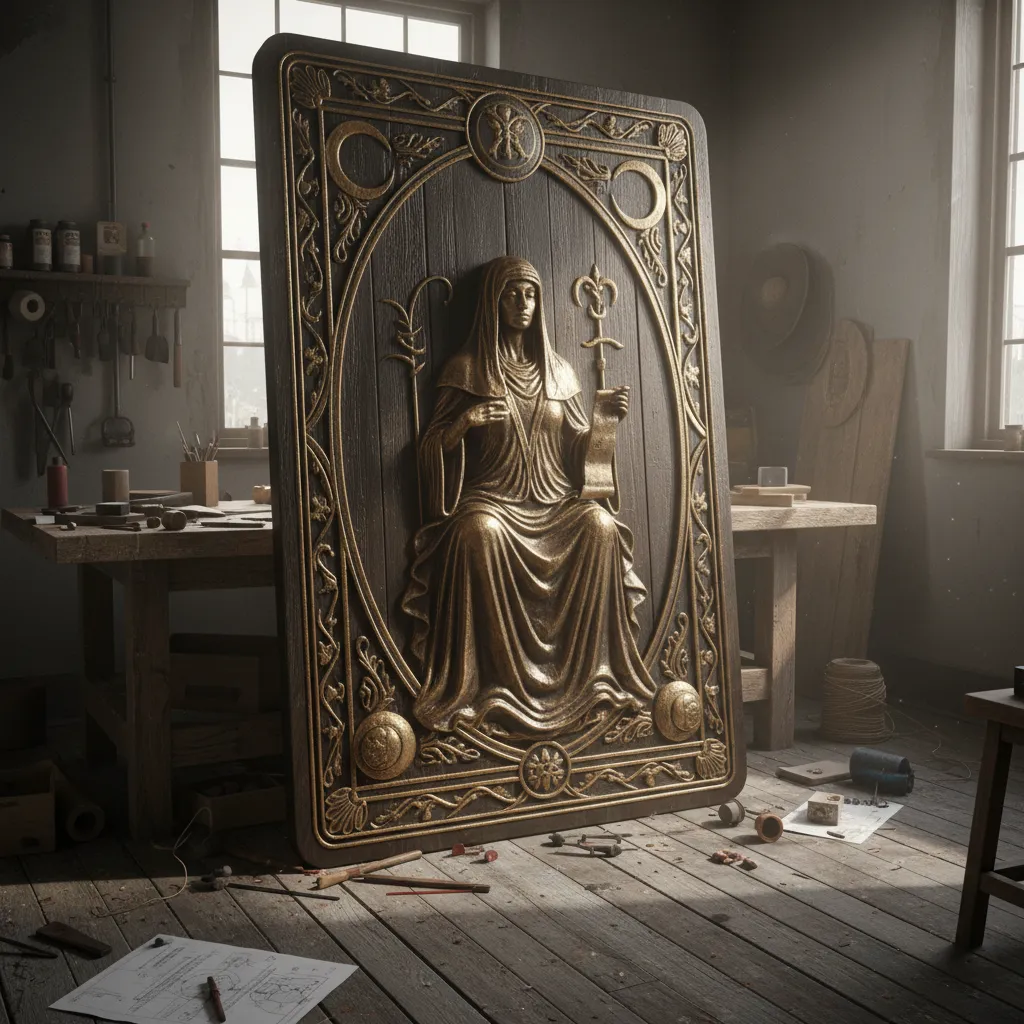
Before we even touch the technology, before we even open PixViva to begin the actual transformation, we must carefully, intentionally select the energy you want to project, because a mismatch here will make the final image feel hollow, completely disconnected from your true essence. We must build this foundation patiently, looking deeply inward to find the specific Major Arcana card that resonates with your current life chapter, ensuring the AI illustration from selfie feels like a true, authentic reflection of your soul, not just a costume you put on for views. You cannot skip this step, because the AI needs a clear, emotional direction to generate the right lighting, the right symbols, and the right atmospheric mood.
Let's explore the most powerful archetypes you can step into, carefully examining the distinct visual elements and energies that make them so iconic, so you can choose the one that aligns with your current vibration.
- The High Priestess: Perfect for the highly intuitive, the mysterious, the quiet observer who holds secret knowledge, requiring prompts that call for cool tones, lunar symbols, pomegranates, and a delicate veil of shadowed blues and shimmering silvers.
- The Star: Ideal for the natural healer, the eternal optimist, the naked truth-teller who brings hope after the storm, demanding celestial backgrounds, glowing water motifs, brilliant starlight, and an ethereal, soft-focus radiance that feels deeply calming.
- The Sun: Built for the joyful, the vibrant, the unabashedly visible creator who wants to spread warmth, thriving on prompts that ask for pure golden hour lighting, massive sunflowers, bright, saturated yellows, and an overwhelming sense of vital energy.
- The Empress: Suited for the grounded creator, the nurturer, the abundant, unstoppable force of nature, needing lush, overgrown greenery, heavy floral crowns, rich earth tones, and a posture of absolute, relaxed, divine royalty.
How to Turn Your Photo Into a Tarot Card with PixViva
Now that we have our chosen archetype firmly in mind, we can begin the actual digital alchemy, moving deliberately through the creation process using PixViva, our trusted, powerful platform designed for this exact kind of high-fidelity, artistic generation. If you rush this part, if you just throw a messy, poorly lit photo into a random WitchTok AI filter, you will inevitably get a messy, distorted result, which is exactly why we take our time, controlling every single variable to guarantee a flawless masterpiece. We build the image layer by layer, starting with the raw material and slowly, carefully refining it until it shines.
Follow these steps closely, trusting the process, allowing each phase to perfectly set up the next, ensuring your final image retains your unique humanity while elevating you to the realm of myth.
- Curating the Base Image: Start with a high-quality selfie that features clear, even lighting, looking directly into the lens with a neutral or slightly knowing expression, ensuring your facial features are distinct, because the AI needs a very solid, unambiguous map to build upon.
- Setting the Foundational Prompt: Tell PixViva exactly what you are creating right out of the gate, using clear, commanding language, stating something like, "A highly detailed tarot card portrait of a woman as The Star," setting the immediate, undeniable context for the engine.
- Layering the Aesthetic Keywords: This is where the true magic happens, where we add specific, evocative phrases like "Art Nouveau style, Alphonse Mucha influence, ornate gold foil borders, mystical AI portrait," building the rich visual texture that defines the genre.
- Protecting Your Likeness: Use PixViva's advanced facial preservation features, adjusting the strength slider patiently, testing different levels to find that perfect, delicate balance where you look like a painted, celestial goddess, but remain undeniably, recognizably you.
Prompting Secrets for the Ultimate WitchTok AI Filter Vibe
The difference between a viral sensation that gets shared thousands of times and a forgotten post that barely gets a glance lies entirely in the details, in the deliberate, careful polishing of the final image, because raw AI output often needs a gentle, guiding hand to reach true perfection. We must look very closely at the borders, the lighting, the integration of the text, stacking these final refinements like delicate gold leaf on a physical painting, ensuring the illusion of a tangible, magical artifact is completely unbroken. It is the specific combination of words you feed into the AI tarot card generator that dictates the texture, the mood, and the ultimate success of the piece.
To ensure your portrait carries that authentic, highly sought-after WitchTok energy, you must weave these specific, powerful concepts into your PixViva prompts, letting the AI know exactly how to render the final details.
- Commanding the Lighting: Always, without fail, specify the exact light source in your prompt, asking for "ethereal rim lighting, glowing magical aura, soft volumetric rays," to give the portrait that divine, otherworldly depth that separates amateur generations from professional art.
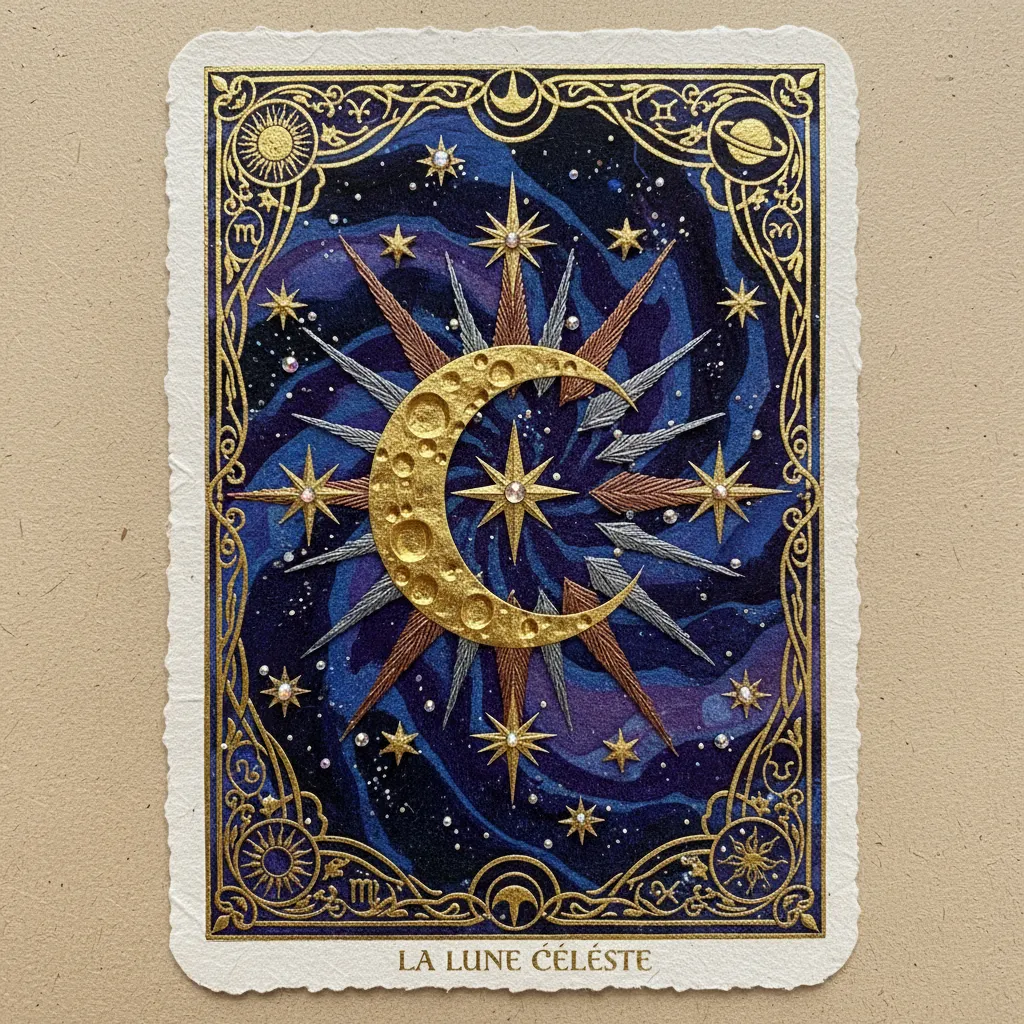
- Structuring the Composition: Remind the system to actually build a card by including phrases like "symmetrical framing, decorative floral frame, classic vintage tarot card layout," ensuring the final output looks like a physical object you could hold in your hands, not just a floating fantasy painting.
- Specifying the Medium: Tell the AI how the image should feel, using terms like "oil painting texture, metallic ink accents, vintage paper background, cracked golden foil," adding a tactile, sensory element to the digital file that makes it feel incredibly expensive and rare.
- Adding the Typography: While AI text generation has improved massively by 2026, you will often get the cleanest, most professional results by generating the art first, then using PixViva's dedicated text overlay tools to crisply, cleanly add the roman numerals and the title at the bottom of the card, perfectly anchoring the illusion.
Avoiding the Pitfalls of AI Illustration From a Selfie
Even with the best tools, there are traps waiting for the impatient creator, small missteps that can instantly ruin the mystical illusion, pulling the viewer out of the magic and reminding them they are just looking at a computer-generated file. If you push the stylization too far, you risk completely losing your likeness, turning yourself into a generic, unrecognizable fantasy character, which entirely defeats the purpose of creating a personal, empowering avatar. Conversely, if you leave the background too cluttered, or fail to define the borders, the image will look chaotic, lacking the structured, intentional design that makes traditional tarot decks so visually satisfying.
We avoid these pitfalls by moving slowly, by generating multiple variations, and by never settling for the first output if it doesn't feel perfectly aligned with our initial vision. We adjust the prompt, we tweak the likeness slider, we refine the lighting, patiently coaxing the AI until it delivers exactly what we asked for, ensuring the final piece is a flawless representation of our spiritual aesthetic.
Claiming Your Digital Power
You now have the knowledge, you intimately understand the high stakes of digital aesthetics, and you know exactly how to navigate the tools, leaving absolutely nothing to chance as you prepare to step into your full, visual power. The era of the boring, uninspired, flat profile picture is officially over, replaced by a massive wave of intentional, beautiful, deeply personal art, and it is time for you to confidently claim your place within this new, magical landscape. Open PixViva right now, select the archetype that speaks to your soul, trust the patient, deliberate process we have just laid out, and turn your selfie into a viral, mystical masterpiece that the world simply cannot help but stop and admire.
Ready to see yourself in a new light?