
How to Turn Your Selfie Into a Viral AI D&D Character Portrait in 2026: The Ultimate Tabletop RPG Guide
Graphite smudges stain the top right corner of your character sheet. You stare at that empty one-inch square. You know exactly who your Half-Elf Rogue is. You hear her voice during every crucial dice roll. You just cannot draw her. This blank paper box mocks your epic, tragic backstory. We fix that today. You will learn how to turn your selfie into a fantasy RPG character using a next-generation AI D&D character creator. You will generate an AI Baldur's Gate portrait that absolutely breaks your Discord server. PixViva makes this happen. We take your mundane human face and forge it in digital iron, arcane magic, and tavern shadow.
That tavern shadow stretches far beyond the physical dining table. Paper gives way to pixels.
The Digital Tavern Demands Better Art
We play on virtual tabletops now. We slide digital tokens across Foundry and Roll20. We hang out in endless Discord voice channels. Your digital avatar is your entire identity. A stolen Pinterest image feels incredibly cheap. A commissioned piece costs hundreds of dollars and takes months to deliver. You want a tabletop RPG avatar from photo reference. You want it before the next session starts. Baldur's Gate 3 changed the aesthetic standard for everyone. We all want that AAA studio lighting. We want the cinematic rim light hitting our custom tiefling horns. We want the sweat and dirt of a long rest rendered in high definition. The culture demands visual excellence. Your campaign deserves visual excellence.
Visual excellence requires the right engine. You need a digital forge.
The PixViva Alchemy Engine
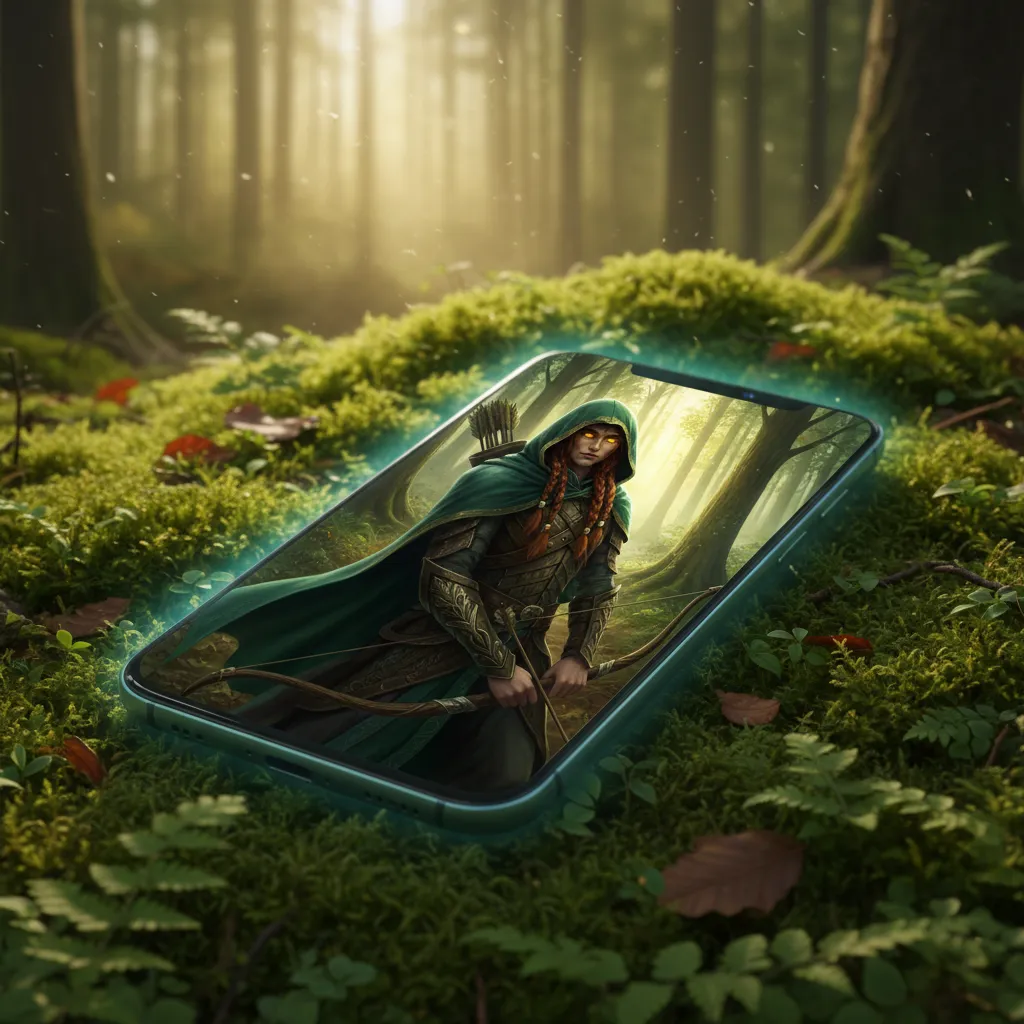
PixViva acts as your personal concept artist. You upload a simple selfie. You type a descriptive prompt. The engine rolls a natural 20 every single time. This custom D&D character art AI understands fantasy anatomy on a cellular level. It knows how light interacts with elven silk, dwarven steel, and dragon scales. You do not need complex coding skills. You need a good photo and a clear vision. The algorithm handles the heavy lifting. It maps your facial geometry. It applies the aesthetics of high fantasy over your exact bone structure. You remain completely recognizable. You just look like you survived a vicious dragon attack.
Surviving a dragon attack starts with good preparation. Good preparation starts with the camera.
Forging The Perfect Selfie Base
Lighting dictates everything in photography. Shadows carve your jawline into stone. You cannot give the AI a blurry bathroom mirror selfie and expect a glorious Paladin. Stand by a large window. Let the natural light hit one side of your face. This creates dramatic, cinematic contrast. Look slightly off-camera. Channel your inner Astarion or Karlach. Neutral expressions work best for the generation process. The AI uses your face as a structural scaffold. Give it a strong, clear foundation. Hold the phone at eye level. Do not shoot from below. Tilt your chin down slightly. Look up through your eyelashes. This creates the classic Kubrick stare. It implies immense power. It implies hidden danger. Pull your hair back if you want to generate elaborate helmets or pointed elven ears. Wear a simple, solid-colored shirt. Remove your modern glasses unless your character wears brass artificer goggles. You strip away the modern world to let the fantasy world take root.
The fantasy world takes root through language. Words hold the ultimate power.
Prompting Like a Dungeon Master
You must speak the language of the machine. Do not just type basic commands. "Make me a knight" yields boring results. You must stack your modifiers. Type "cinematic portrait of a human paladin, wearing battered silver plate armor, glowing blue eyes, dark fantasy lighting, intricate details, Unreal Engine 5 style." Adjectives act as your stat boosts. You stack them to get the highest possible visual roll. PixViva translates these specific words into digital brushstrokes. Mention the lighting specifically. Mention the camera angle. Mention the exact texture of the clothing. "Velvet robes" yields a completely different result than "linen robes." "Volumetric fog" adds that spooky Curse of Strahd atmosphere. You control the environment. You direct the artificial lens.
You must tell the AI about your character's history. Scars tell a story. Dirt tells a story. "A clean paladin" looks like a cosplayer. "A battle-worn paladin with a fresh scar across the cheek and mud on the armor" looks like a veteran. You dictate the history through texture. You demand realism. PixViva delivers that realism.
The lens captures the essence of your magic. Magic requires specific colors.
The Color Theory of Magic
Colors communicate your moral alignment. Colors broadcast your specific magic school. You must wield color theory like a heavy broadsword. Necromancers need sickly greens and deep purples. Clerics demand warm golds and stark whites. You tell the PixViva engine exactly what color palette to use. "Monochromatic with a splash of crimson" creates a terrifying assassin portrait. "Vibrant jewel tones" creates a wealthy Waterdeep merchant prince. The AI elf portrait generator understands these subtle visual cues. You manipulate the emotional response of your party members before you even speak in character. You set the mood with hex codes and pigment descriptions.
Pigment descriptions eventually form your class identity. Every class carries a distinct cultural weight.
Casting Your Class Aesthetic
Tieflings dominate the internet right now. Warlocks drip with undeniable edge. Bards bring pure glam rock energy to the tavern. You must match your prompt to your specific class vibe. Think about David Bowie when generating your Bard. Think about Mad Max when generating your Barbarian. Internet culture feeds the AI engine. You inject these cultural touchstones into your prompts for superior results. A cyberpunk artificer needs references to neon, chrome, and Akira. A druid needs references to Princess Mononoke and overgrown ruins. Monks require dynamic tension. You prompt for "flowing fabric" and "martial arts stance." Rogues require shadows. You prompt for "hood pulled low" and "gleaming daggers." You do not just create a face. You create an attitude. You create a threat. You blend pop culture with ancient myth. You create something entirely new from the ashes of familiar tropes.
This new creation does not exist in a vacuum. Art demands an audience.
The Viral Discord Server Drop
Avatars spark instant conversations. You drop your new portrait into the campaign chat. The server erupts immediately. People ask for your artist's contact info. You tell them you made it yourself. You become the party's unofficial visual director. The tabletop RPG community values deep immersion above all else. A hyper-realistic portrait pulls everyone deeper into the shared fantasy. The game feels infinitely more real when the faces look real. You upload the portrait to your virtual tabletop. You crop it into a perfect circle. You slap a digital gold border around it. Your token slides across the grid map. It looks like a million bucks. You stop being Dave from accounting. You become Darius the Oathbreaker. Maybe you stream your games on Twitch. Viewers click on streams with high-quality overlays. Your AI Baldur's Gate portrait becomes your personal brand. It sits in the corner of the screen. It draws the eye. It holds the attention. The visual anchor changes the way you roleplay. It changes the way others interact with you. It elevates the entire campaign.
Campaigns eventually end. The art remains.
Roll for Initiative
Characters die. Dice get lost under the couch. Character sheets tear. Art lives forever. You have the tools right now. You have the vision in your head. PixViva waits for your command. Go take that perfectly lit selfie. Type out your ultimate fantasy prompt. Cast your digital spell. Forge your legend today.
Ready to see yourself in a new light?