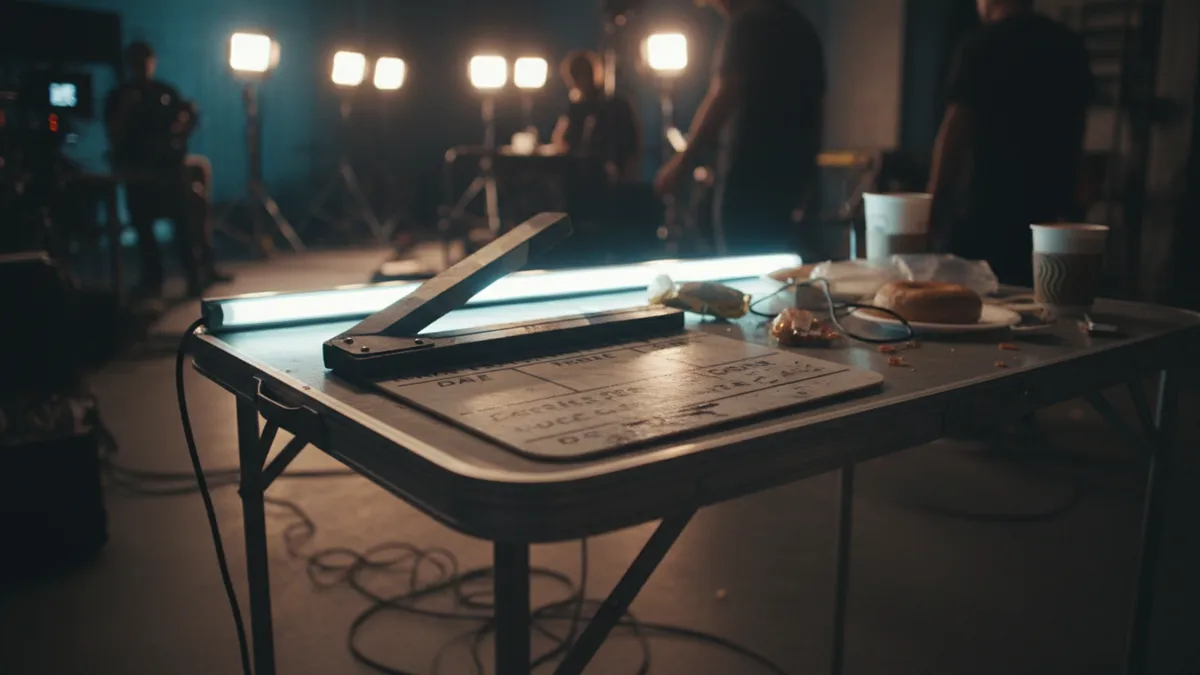
How to Create the Viral AI Celebrity Selfie Video from a Single Photo: The Complete 2026 Hollywood Backstage Walking-Tour Guide
A selfie is supposed to be proof. Proof you were there, proof you rubbed elbows with someone important, proof that your life — for at least one glorious, arm-extended second — overlapped with fame. But "proof" is a funny word in 2026, because a single headshot and the right AI workflow can now place you backstage at a Marvel shoot, mid-laugh with Zendaya, handing a coffee to Timothée Chalamet between takes. And when you stitch five or six of those frames into a smooth walking-transition video, the result doesn't just look real — it makes people pause mid-scroll like they just spotted a celebrity in an airport terminal.
This is the AI celebrity selfie video trend, and it's eating TikTok and Instagram alive right now. The concept is deceptively simple: generate hyper-realistic selfie photos of yourself alongside celebrities on iconic movie sets, animate each image into a short walking clip, then edit the clips into a seamless compilation that feels like a behind-the-scenes iPhone diary of the coolest week of your life. The execution, though, has a learning curve shaped like a question mark — easy at first, confusing in the middle, then suddenly elegant once everything clicks.
Let's make it click.
The Core Workflow: Photo to AI Selfie to Viral Video
Think of this trend as a three-act play. Act one is the image generation — creating those impossibly convincing selfies with celebrity AI using a tool like Gemini Nano Banana Pro. Act two is animation, where Kling or Veo breathes life into each still frame with subtle camera movement and natural motion. Act three is assembly — stitching everything into a walking-tour compilation that reads as one continuous narrative rather than a slideshow wearing a trench coat pretending to be a movie.
Each act matters equally, which is something most tutorials skip. They'll hand you a Gemini celebrity selfie prompt and wish you luck, like giving someone a steering wheel and calling it a driving lesson. So we're going deeper.
Act One: Generating the AI Celebrity Selfie
You need one clean, well-lit photo of yourself. Not a masterpiece — just a front-facing shot where your features are clear, your lighting is even, and you're not wearing sunglasses that obscure half your identity. If you've got a solid profile photo on PixViva or any other platform, that'll work beautifully as your source image.
The magic happens in the prompting. Gemini Nano Banana Pro handles likeness preservation with almost unsettling accuracy in 2026, but only if you frame the request like you're describing a photograph that already exists rather than asking an AI to draw one. That distinction is everything.
Here's the structure that consistently produces the best results:
Prompt template: "A casual iPhone selfie taken by [your description: gender, hair, features] standing next to [celebrity name] on the set of [movie/show]. Backstage environment, natural overhead lighting, slightly out-of-focus background with equipment and crew. The selfie is taken at arm's length, slight lens distortion, warm color grade, both people smiling naturally. Hyper-photorealistic, 2024 iPhone 15 Pro camera quality."
The iPhone detail isn't decoration. It's the single most important phrase in the prompt because it anchors the AI's output in a specific visual language — slight barrel distortion, that particular skin-tone warmth, the telltale depth-of-field pattern of a phone camera. Without it, you get images that look like they were rendered by a computer that's heard of photographs but never actually taken one.
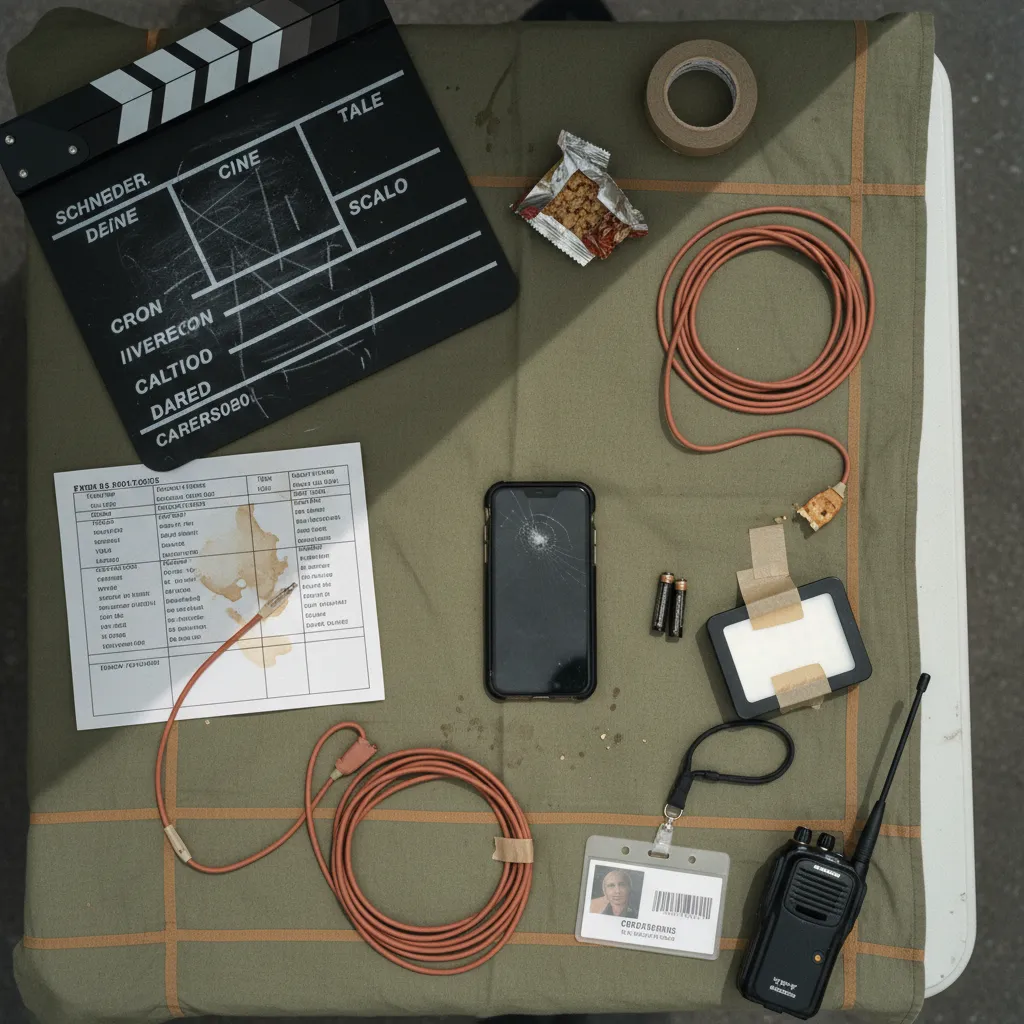
Act Two: Bringing the Selfie to Life
A still image is a postcard. A video is a memory. The difference between a post that gets 200 likes and one that crosses a million views almost always comes down to whether the viewer's brain registers movement — even two seconds of it.
Kling 2.1 and Google Veo 3 are the two dominant tools for this step, and each has a personality. Kling handles subtle facial movements with a confidence that borders on arrogance — micro-expressions, a slight head turn, a blink that lands exactly right. Veo, meanwhile, excels at environmental motion: background crew walking past, lights shifting, a boom mic swinging overhead. The savvy creators are using both, picking the tool that matches the energy of each particular scene.
The prompt strategy shifts here. You're no longer describing a photo; you're describing three seconds of life. Tell the animation tool what moves — and more importantly, what doesn't. A common rookie mistake is letting the AI add too much motion, which turns your backstage selfie into something that feels like a theme park simulation rather than a candid iPhone moment.
Animation prompt template: "Gentle handheld camera movement, slight forward walk, subject on the right turns head slightly toward camera and smiles. Background crew members move naturally. 3 seconds. Maintain iPhone video quality, natural motion blur."
Act Three: The Walking-Tour Assembly
This is where the trend earns its name. The final video isn't a montage — it's a tour. Each clip transitions into the next using a walking motion that creates the illusion of moving through a continuous space, like you're strolling through a studio lot and bumping into one A-lister after another.
CapCut, DaVinci Resolve, or even InShot can handle the editing. The secret isn't the software; it's the rhythm. Each clip should run 2–3 seconds, transitions should sync to a beat drop or a bass hit, and the walking direction needs to alternate — approach from the left in one clip, from the right in the next — so the viewer's eye never settles long enough to question what it's seeing.
Add a subtle film-grain overlay across the entire compilation. Layer in ambient set noise — distant hammering, muffled walkie-talkies, someone yelling "back to one" — underneath your music track. These details are like seasoning: invisible when done right, painfully absent when missing.
Copy-Paste Prompts for 10 Iconic Movie Scenes
Here's where the fun gets specific. Each prompt below follows the optimized template structure. Swap in your own physical description where indicated, and you've got the raw material for a themed AI celebrity selfie video that looks like you somehow crashed every major production of the decade.
Action & Sci-Fi
- Marvel set with Chris Hemsworth: "iPhone selfie taken by [you] next to Chris Hemsworth in Thor costume, backstage at a Marvel soundstage. Green screen panels visible behind, rigging overhead, both laughing mid-conversation. Warm practical lighting, hyper-photorealistic."
- Dune set with Zendaya: "Casual iPhone selfie, [you] standing beside Zendaya in Chani costume, desert location set with wind machines visible. Golden hour lighting, sand particles in air, crew in background. Photorealistic, slight lens flare."
- Mission Impossible with Tom Cruise: "Arm's-length iPhone selfie, [you] with Tom Cruise in tactical gear, helicopter stunt rig visible behind. Overcast outdoor lighting, both giving thumbs up. Natural skin tones, photorealistic."
Comedy & Drama
- Wes Anderson set with Bill Murray: "Symmetrical iPhone selfie, [you] next to Bill Murray in vintage suit on a meticulously designed pastel-colored set. Overhead fluorescent lighting, crew adjusting props. Deadpan expressions, hyper-photorealistic."
- Sitcom stage with Jennifer Aniston: "iPhone selfie, [you] beside Jennifer Aniston on a multi-camera sitcom set, studio audience seating visible. Bright flat lighting, both smiling warmly. Photorealistic, slight grain."
Romance & Period
- Period drama with Margot Robbie: "iPhone selfie taken by [you] next to Margot Robbie in Regency-era costume, grand manor house set behind. Soft candlelit atmosphere mixed with modern film lighting. Photorealistic, shallow depth of field."
- Romance set with Ryan Gosling: "Casual selfie, [you] with Ryan Gosling in casual wardrobe on a rooftop set at twilight. City skyline backdrop, string lights, intimate lighting. iPhone quality, photorealistic."
We've assembled more prompts — organized by genre with variations for different angles and moods — into a downloadable cheat sheet you can grab at the end of this post.
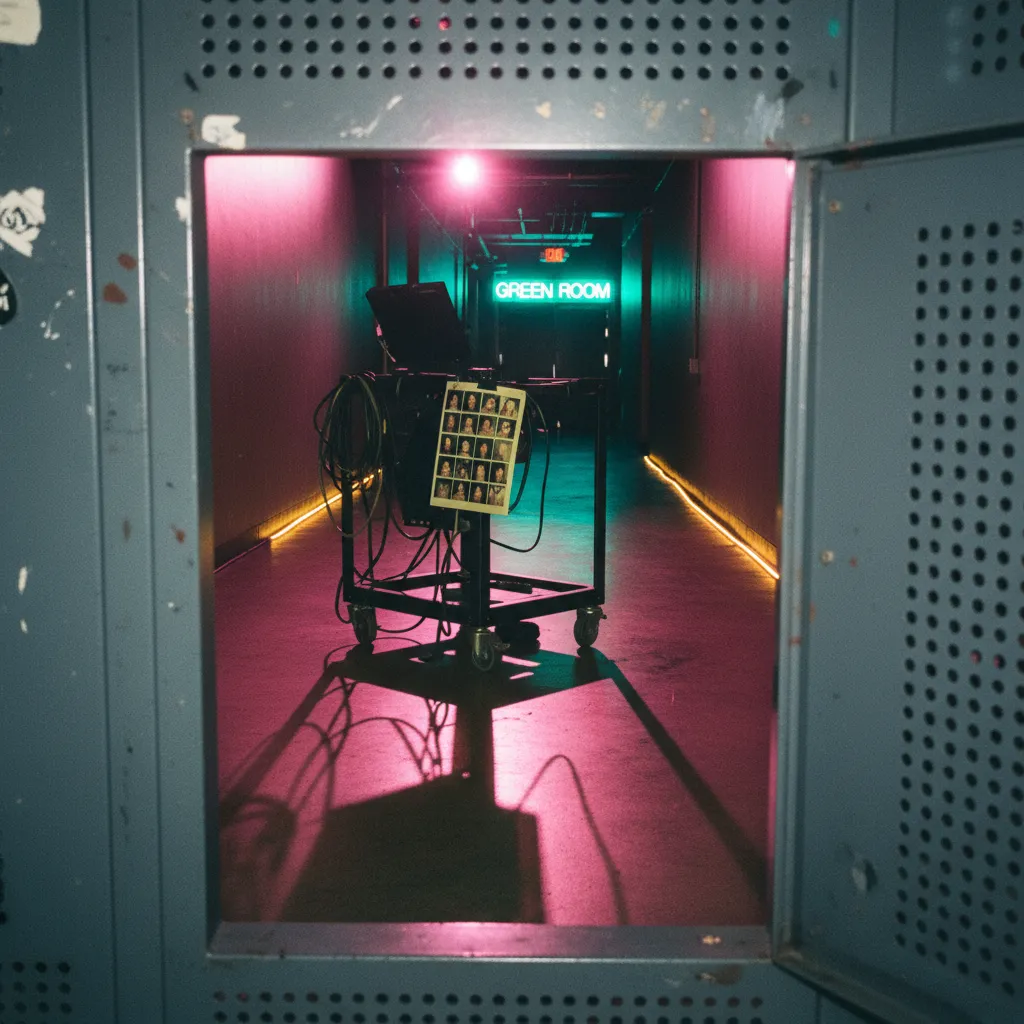
Making It Look Real: The Details That Separate Viral from Visible
The difference between an AI celebrity selfie that fools people and one that screams "I made this in my bedroom" usually comes down to about four decisions.
First, imperfection is your friend. Add a slight tilt to the camera angle — nobody holds their phone perfectly level during a genuine selfie. Second, match your outfit to the environment; if you're "on set" in the desert, don't be wearing a puffer jacket from your winter headshot. Third, vary the lighting warmth between scenes to suggest you actually moved between different physical spaces. Fourth — and this one's subtle — make sure your expression changes from scene to scene, because a human being who just met Chris Hemsworth does not wear the same face they'd wear standing next to Bill Murray.
These tweaks take minutes. They're the difference between content that performs and content that dominates.
Why Your Starting Photo Matters More Than You Think
Here's where everything circles back to the foundation. The AI is only as good as what it's given, and a muddy, poorly lit selfie produces a muddy, poorly lit result no matter how poetic your prompt is. Think of your source photo like the lead actor in this entire production — it carries every single scene.
This is exactly the kind of situation where having a polished, versatile profile photo pays dividends. At PixViva, we see this constantly: users who start with a crisp, well-composed AI-enhanced portrait get dramatically better results when they feed that image into downstream creative workflows. A strong starting photo isn't vanity. It's infrastructure.
The Cheat Sheet and Your Next Viral Post
So here's the takeaway, stripped down to its bones. One good photo of yourself. A structured prompt that tells the AI it's looking at an iPhone snapshot, not creating digital art. An animation pass that adds life without adding chaos. An edit that flows like a studio-lot stroll scored to whatever track is trending this week.
The AI celebrity selfie video trend isn't going anywhere — it's evolving weekly as models improve and creators push the format further. The people blowing up right now aren't necessarily the most technically skilled; they're the ones who understood earliest that the goal isn't to make something that looks AI-generated and impressive. The goal is to make something that looks accidental and real.
Start with your best photo. Build your first three-scene compilation. Post it. Then watch what happens when a million strangers believe — even for a split second — that you just had the best week in Hollywood.
Ready to see yourself in a new light?