

How to Transform Your Selfie Into a Viral AI Coquette Aesthetic Portrait in 2026: The Complete Guide to the Fairycore Bow Trend
You hold the camera at a high angle, hoping the lens will magically soften the harsh overhead bulb, blur the mundane background of your bedroom, and somehow manifest the delicate, pearl-draped softness that currently dominates every viral mood board on your feed. The raw image captures every stray hair, every unwanted shadow, and every utterly ordinary detail of your environment, completely betraying the ethereal, lace-trimmed vision you had meticulously planned for your digital presence. It is not the vibe.
To understand how to successfully achieve the viral TikTok aesthetic AI look, we must deconstruct the mechanics of visual softness, breaking down the specific elements of light, texture, and styling that separate a casual, everyday snapshot from a highly curated, hyper-feminine masterpiece. We will examine two distinct methodologies for reaching this aesthetic peak, placing the traditional, physical approach of styling and photography directly alongside the modern, digital alchemy of artificial intelligence. The comparison reveals everything.
The Physical Constraint: Sourcing the Tangible Aesthetic
In the physical world, constructing this specific aesthetic requires you to become a meticulous set designer, scouring vintage stores and craft aisles for the exact weight of satin ribbon that will drape correctly across your collarbones without looking stiff, artificial, or noticeably cheap. You must pin delicate, antique lace to your neckline, carefully adjusting the fabric so it catches the ambient room light, hoping the weave is tight enough to register on a smartphone camera sensor but sheer enough to maintain that signature, breathless transparency. The physical toll is exhausting.
This traditional method demands an immense accumulation of physical objects, tying your creative potential directly to the strict limitations of your current wardrobe, your available styling budget, and your geographic access to specialized boutique accessories. You are forced to purchase pointelle knits, pearl chokers, and yards of organza that you may only wear for a single fifteen-minute photo session, creating a cycle of constant consumption just to keep up with a rapidly evolving micro-trend. The aesthetic becomes a financial burden.
Furthermore, the physical approach demands absolute atmospheric perfection, requiring you to wait patiently for the precise, fleeting minutes of golden hour when the sun dips low enough to wash your room in a warm, diffused, cinematic glow. If a cloud passes over the sun, or if your bedroom window faces the wrong geographical direction, the harsh, flat daylight will immediately expose the artificiality of your setup, rendering your carefully tied ribbons and strategically placed lace utterly flat and uninspiring. Nature does not care about your mood board.
The Digital Liberation: PixViva’s Soft Girl AI Generator
Conversely, the digital approach begins with the total stripping away of environmental pressure, requiring only a sharply focused, evenly lit baseline photograph where your facial features are clearly mapped without the interference of heavy shadows or distracting, cluttered backgrounds. You upload this blank canvas into PixViva, engaging a powerful soft girl AI generator that completely bypasses the need for physical props, allowing you to conjure yards of digital silk, intricate lace collars, and flawless pearl accessories through the sheer power of algorithmic generation. The barriers to entry dissolve.
When utilizing PixViva as your primary Pinterest aesthetic photo editor, the software does not merely stamp a flat, translucent image of a pink bow onto your hair, but rather it actively recalculates the volumetric lighting of your face, analyzing the depth of your cheekbones to paint new, mathematically perfect light across your skin. The algorithm calculates the specific tension, gravity, and sheen of imaginary silk, ensuring that the final rendering integrates flawlessly with the physical geometry of your unique facial structure, casting appropriate digital shadows from the generated ribbon onto your actual collarbones. The illusion becomes reality.
By shifting the labor from physical styling to digital prompting, you reclaim total control over the final atmosphere, dictating the exact shade of blush pink, the precise opacity of the lace, and the specific diffusion of the ambient light without ever leaving your chair. You are no longer a consumer desperately hunting for the right accessories, but rather a digital director, orchestrating a symphony of pixels to generate an AI coquette portrait that perfectly aligns with the most elevated, aspirational visions in your mind. You command the aesthetic.
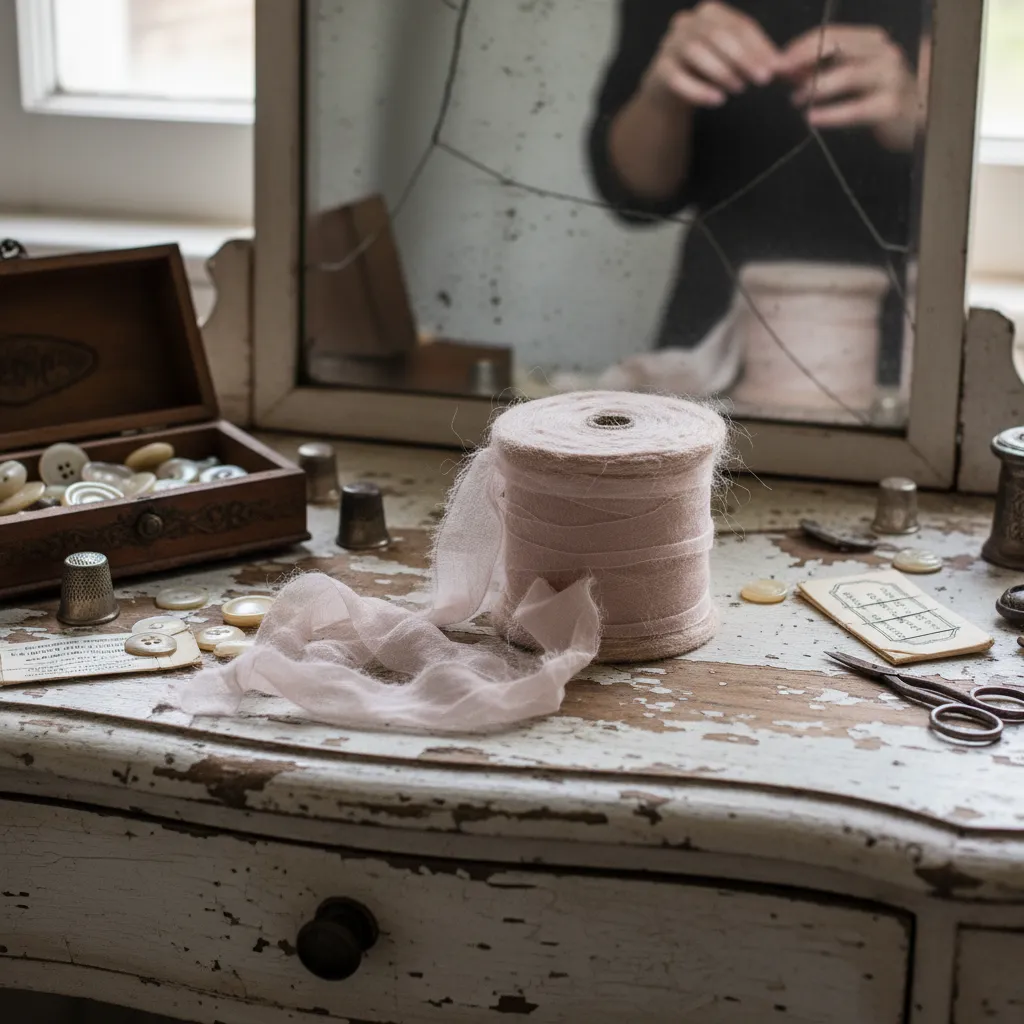
Sculpting the Light: Sunbeams Versus Algorithmic Glow
Let us examine the foundational element of any successful portrait: the behavior, quality, and direction of the light illuminating the subject.
When relying on physical sunlight, you are entirely at the mercy of atmospheric scattering, hoping that the window glass diffuses the harsh rays enough to create that coveted, glowing soft-focus effect that defines the fairycore aesthetic, while simultaneously praying that the light does not cast deep, unflattering shadows under your eyes or nose. You must constantly adjust your physical position, tilting your chin by microscopic fractions of an inch to catch the light correctly, often resulting in stiff, uncomfortable postures that completely ruin the relaxed, effortless energy the trend demands. The sun is an unforgiving spotlight.
Through the lens of a fairycore selfie AI, light becomes a malleable, programmable substance that can be bent, diffused, and recolored to flatter your specific facial geometry, regardless of the harsh overhead bulbs or fluorescent tubes that actually illuminated your original photograph. The AI applies a sophisticated subsurface scattering effect to your digital skin, mimicking the way real light gently penetrates and glows from within human tissue, creating a radiant, porcelain-like complexion that physical makeup and natural window light can rarely achieve on their own. You are bathed in eternal golden hour.
Weaving the Details: Real Silk Versus the Bow Aesthetic Filter
Beyond the lighting, the coquette trend lives and dies by its hyper-specific textural details, requiring a masterful layering of contrasting fabrics, delicate trims, and perfectly tied ribbons to communicate the desired visual narrative.
In reality, tying a physical ribbon into your hair requires significant manual dexterity, a deep understanding of fabric tension, and an endless supply of bobby pins to ensure the heavy satin does not immediately slide down your hair shaft the moment you turn your head to find your camera angle. You must constantly monitor the physical props, pausing every few seconds to fluff a crushed lace collar, reposition a sliding pearl necklace, or re-tie a bow that has lost its perfectly symmetrical, bouncy volume during the shooting process. Gravity is the enemy of the coquette.
When you deploy a bow aesthetic filter through an advanced generation tool, the digital ribbons are completely immune to the laws of physical gravity, maintaining their perfectly sculpted, voluminous loops and cascading tails regardless of how your head was positioned in the original base photograph. The AI understands the specific textural language of the trend, automatically generating pointelle knit textures that look impossibly soft, rendering organza ruffles that possess the exact right amount of sheer crispness, and placing delicate cherry motifs with mathematical precision. The aesthetic is locked in place.
Bridging the Gap: Transforming the Raw Selfie
To successfully bridge the gap between your raw, unedited camera roll and the final, breathtaking result, we must compare the specific requirements of the input image against the vast possibilities of the generated output.
The Baseline Requirement: Flat Reality
The most effective input for an AI transformation is surprisingly mundane, requiring a photograph that actively avoids dramatic lighting, heavy existing filters, or complex physical accessories that might confuse the neural network during the rendering process. You must provide the algorithm with a clear, flatly lit map of your facial features, pulling your hair back slightly to define your jawline, and staring directly into the lens with a relaxed, neutral expression that serves as the perfect structural foundation for the upcoming digital enhancements. Boring is best.
If you attempt to feed the AI an image that is already heavily stylized, obscured by dark shadows, or cluttered with messy physical props, the resulting generation will likely suffer from visual confusion, creating awkward digital artifacts where the algorithm struggles to distinguish between your actual hair and the physical ribbon you attempted to wear. The physical and the digital must not compete for dominance. You must surrender the styling process entirely to the machine.
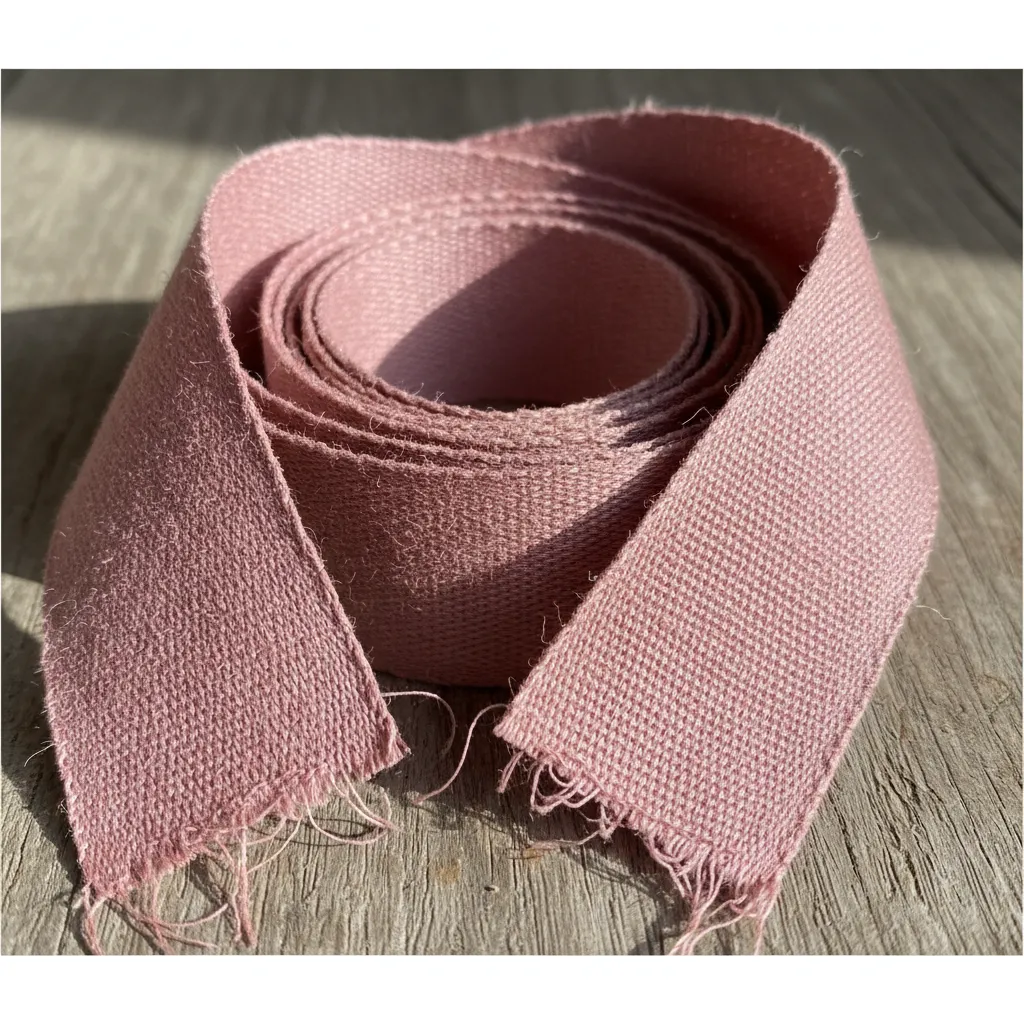
The Fairycore Selfie AI Application: Layering the Dream
Once the flat baseline image is secured, the true creative process begins, allowing you to use text prompts and style references within PixViva to systematically layer the specific elements of the fairycore universe directly onto your digital likeness. You instruct the AI to generate a delicate, scalloped lace trim along your collarbone, watching as the software seamlessly blends the digital fabric into the actual pixels of your skin, ensuring that the shadows and highlights perfectly match the newly established, ethereal lighting scheme. You are painting with text.
As you refine the generation, you can incrementally increase the intensity of the aesthetic, asking the algorithm to weave tiny, iridescent pearls into your digital hair, or requesting that a soft, hazy film grain be applied over the entire image to simulate the nostalgic, vintage camera quality that dominates Pinterest mood boards. The transformation happens iteratively, patient layer by patient layer, until the original, mundane bedroom selfie has been completely subsumed by a cohesive, hyper-feminine fantasy world that looks incredibly expensive, meticulously styled, and flawlessly executed. The raw image is forgotten.
The Final Verdict: Archiving the Viral TikTok Aesthetic AI
Ultimately, the pursuit of the coquette and fairycore aesthetic is a pursuit of visual escapism, a desire to temporarily inhabit a softer, more delicate world that stands in stark contrast to the sharp, demanding realities of everyday modern life. By utilizing tools like PixViva, you bypass the exhausting physical labor, the financial barriers, and the environmental frustrations of traditional styling, granting yourself immediate, unlimited access to the exact visual identity you wish to project. You hold the power of transformation.
You no longer have to hope that the afternoon sun hits your plastic blinds at the exact right angle, nor do you have to spend your weekends hunting for the perfect vintage lace, because the ultimate AI coquette portrait is already waiting inside your raw, unfiltered selfie, ready to be extracted by the algorithm. Step into the digital studio, upload your simplest photograph, and let the software tie the final bow.
Ready to see yourself in a new light?