
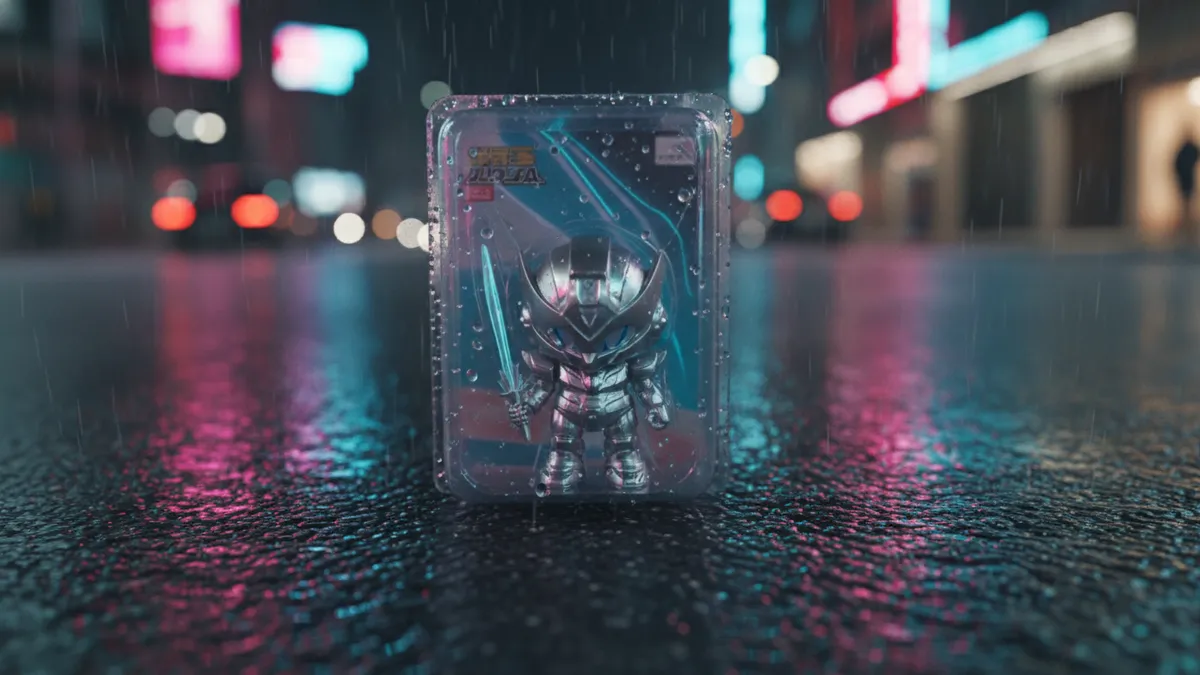
How to Turn Your Selfie Into a Viral AI Bandai-Style 3D Collectible Figurine in 2026: The Complete Guide to the Nano Banana PVC Figure Trend on TikTok and Instagram
Five hundred million images in one week. That is the number Google reported after the Nano Banana figurine trend detonated across TikTok and Instagram in early 2026. Half a billion little PVC versions of people — real humans sealed behind plastic blister packs like they just shipped from a Bandai warehouse in Shizuoka. This is the definitive guide to making yours. Not a flat Funko Pop. Not a blocky LEGO minifig. A glossy, hyper-detailed, collectible-grade AI 3D figurine from your selfie that actually stops the scroll.
Here is what I learned after burning through dozens of prompts, studying the posts that cracked a million likes, and dissecting every detail that separates a viral figurine from a forgettable one. Now let me rewind and show you exactly how.
Why the Bandai-Style AI Figure Trend Hit Different
Context matters. The internet had already cycled through the Funko Pop AI filter and the LEGO mosaic wave before Nano Banana landed. Both were cute. Both were shareable. Neither felt real.
Bandai-style figurines feel real because the reference point is real. Anyone who grew up with Dragon Ball Z figures, Gundam model kits, or S.H.Figuarts collectibles has muscle memory for that aesthetic — the sealed blister packaging, the accessories tray, the slightly exaggerated proportions that somehow look more like you than an actual photo does.
Google's Gemini 2.5 Flash model cracked something specific: PVC texture rendering. Previous AI image generators produced figurines that looked painted or matte. Gemini nailed the glossy, injection-molded sheen that screams "$45 import figure you found at a convention booth." That single material detail is why this trend exploded while others plateaued.
The Anatomy of a Viral AI Figurine Post
Scroll through the top-performing posts on TikTok and a pattern emerges fast. Every viral AI figurine trend TikTok 2026 post shares three visual signatures:
- Blister pack framing. The figure sits inside a clear plastic shell mounted on a branded cardboard backing. The packaging sells the illusion more than the figure itself.
- Miniature accessories. A tiny laptop, a coffee cup, headphones around the neck, a pet replica on the base. These details generate comments — "OMG THE LITTLE AIRPODS" — and comments feed the algorithm.
- ZBrush-screen background. This is the trick that separates amateurs from artists, and I will break it down in its own section below.
Emotion drives the share. The figurine needs to capture your energy — your pose, your signature outfit, the object you are always carrying. Logic seals the deal: when the packaging looks legit, people tag friends and say "I need this for real."
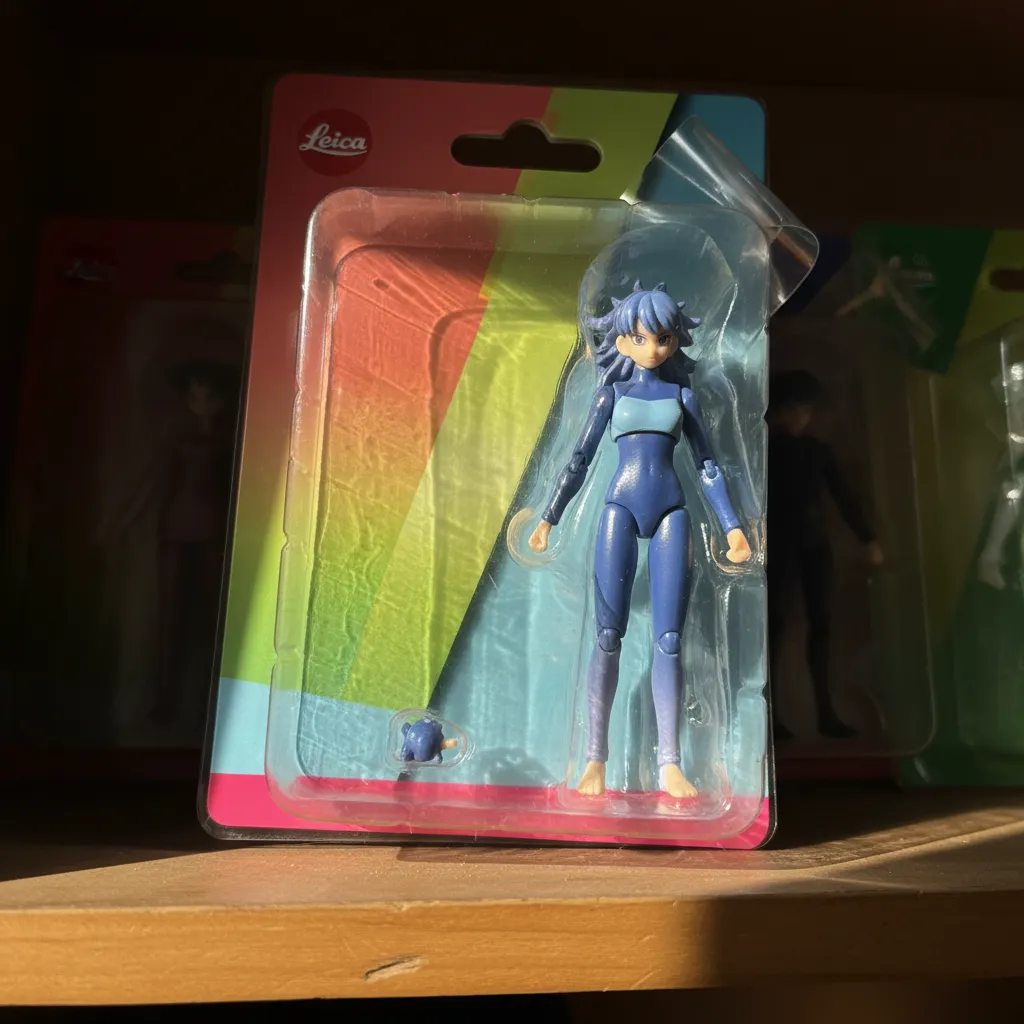
The Exact Nano Banana AI Figurine Prompt Formula
Prompts are recipes. Change one ingredient and the dish fails. Here is the base formula that consistently produces collectible figurine AI generator results worth posting:
The Core Structure
A hyper-realistic Bandai-style PVC collectible figurine of [DESCRIPTION OF PERSON], standing on a round branded base inside sealed clear blister packaging. The figure has a glossy injection-molded PVC finish with subtle seam lines. Accessories include [2-3 ITEMS]. The cardboard backing features [COLOR SCHEME] with the name "[YOUR NAME]" in bold stylized font. Product photography, studio lighting, shallow depth of field.
Break that down piece by piece.
Person Description Block
Specificity wins. "A woman with brown hair" gives you generic. "A woman with shoulder-length wavy auburn hair, oversized round tortoiseshell glasses, wearing an olive linen blazer over a white graphic tee" gives you you. Reference your selfie details exactly. Skin tone, jewelry, tattoos, facial expression — feed it all.
The Packaging Block
This is where amateurs lose the plot. The cardboard backing needs a color scheme callout ("matte black with holographic accents"), a name in a specific font style ("retro arcade font" or "clean sans-serif"), and optionally a fake series number ("Series 03 / Limited Edition"). These micro-details trigger the collector brain in every viewer.
The Accessories Block
Three accessories maximum. More than that and the composition gets cluttered. Choose items that tell a story: a camera and a film roll for photographers, a mic and a ring light for creators, a skateboard and a beanie for the streetwear crowd. The best Nano Banana AI figurine prompt results always feel like a personality capsule, not a prop warehouse.
The ZBrush-Screen Background Trick That Nobody Explains
Here is the single most underrated technique in the entire trend. The posts that look most premium — the ones media outlets screenshot and feature — use a background that mimics a ZBrush or Blender viewport.
Gray gradient background. Faint wireframe grid. Maybe a subtle sculpting toolbar along the edge. This framing tells the viewer's brain: "Someone modeled this." It shifts perception from AI-generated image to digital sculpture, and that reframe is worth thousands of extra engagements.
Add this to your prompt: Background is a ZBrush digital sculpting viewport with a neutral gray gradient, faint polygon wireframe overlay, and subtle software UI elements along the edges.
Alternatively, generate the figurine on a clean background and composite the ZBrush frame in post. Either approach works. The psychological effect is identical — your PVC figure AI selfie suddenly looks like it belongs in a professional artist's portfolio rather than an AI feed.
Getting the Glossy PVC Texture Right (And Why It Matters More Than You Think)
Texture is the whole game. Strip away the packaging, the accessories, the clever background — if the figure looks matte or painted, it reads as a cartoon. If it has that specific glossy PVC sheen with micro-reflections and faint seam lines, it reads as a product.
The Gemini AI figure generator handles this well natively, but you can push it further with these prompt additions:
- "Injection-molded PVC finish" — This phrase alone does heavy lifting.
- "Subtle parting lines along arms and torso" — Real figures have mold seam lines. Including them sells the illusion.
- "Specular highlights under studio softbox lighting" — Forces the renderer to add those creamy light reflections that make PVC look wet and premium.
- "Slight paint application on eyes and fine details" — Real Bandai figures have hand-painted accents. Mentioning this adds imperfection that paradoxically increases realism.
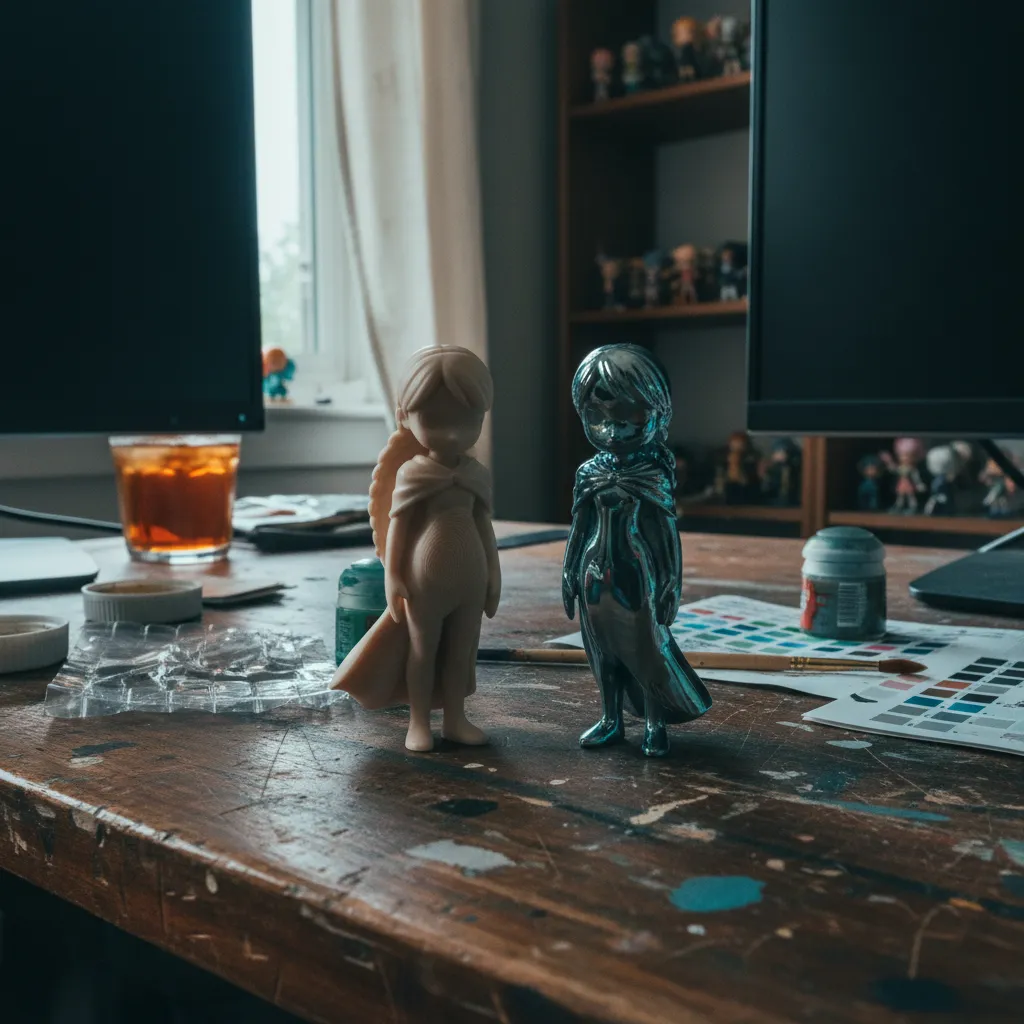
Funko Pops are charming because they are simple — big heads, dot eyes, zero texture. LEGO minifigs work because they embrace the brick. Bandai-style figures dominate this trend because they occupy an uncanny valley sweet spot: detailed enough to look real, stylized enough to look aspirational. The PVC texture is the bridge between those two worlds.
Platform-Specific Tips for Maximum Reach
TikTok
Reveal format wins every time. Start the video with your raw selfie, then hard-cut to the finished figurine with a satisfying unboxing sound effect. The audio choice matters — the trending "collectible click" sounds are algorithmically boosted right now. Post between 7-9 PM in your local timezone for peak engagement.
Carousel format. Slide one: the figurine in packaging, shot like a product flat lay. Slide two: your original selfie for comparison. Slide three: a close-up of the accessories. Carousels get shared to Stories at a significantly higher rate than single images, and Stories shares are Instagram's strongest signal for Explore page distribution.
Both Platforms
Tag it. Use the specific hashtags (#NanoBananaChallenge, #AIFigurine, #BandaiStyleAI) but also niche community tags (#AnimeFigureCollection, #ToyPhotography). The crossover audience between AI art and toy collecting communities is massive and deeply engaged.
How PixViva Fits Into Your Figurine Workflow
Great figurines start with great source images. The more detailed and well-lit your selfie, the more specific your prompt can be — and specificity is everything in this trend. PixViva's AI-enhanced portraits give you a sharper, cleaner reference photo to describe in your prompt, which means your figurine output captures details that a grainy front-camera selfie would lose.
Think of it as the pre-production step. Hollywood does not send raw footage to VFX houses. You should not send a dark bathroom mirror selfie to a figurine generator.
Common Mistakes That Kill the Illusion
Too many accessories. Three is the ceiling. Four is clutter. Five is chaos.
Ignoring the base. Every real Bandai figure ships with a branded circular or hexagonal base. Skip it and the figure looks like it is floating in plastic purgatory.
Wrong aspect ratio. Portrait orientation for TikTok, square for Instagram feed, 4:5 for Instagram Reels covers. Cropping after generation destroys the packaging framing.
Forgetting the barcode. This sounds absurd, but adding "small UPC barcode on the lower right of the cardboard backing" to your prompt injects an almost subliminal layer of product authenticity that viewers feel without consciously noticing.
The Trend Is the Starting Line, Not the Ceiling
Half a billion images means the bar is rising daily. Generic figurines already blend into the feed. The posts breaking through now are the ones with obsessive detail — the perfect PVC sheen, the personality-loaded accessories, the ZBrush viewport that reframes AI output as digital craft.
Your turn. Grab your best selfie. Write a prompt that sounds like a product description, not an art request. Nail the texture. Frame the packaging. Post the reveal.
The trend rewards specificity. Be specific about who you are, and the figurine will be unmistakably yours.
Ready to see yourself in a new light?